August, 2019 – Two Year Anniversary-Full Time RVers: As we have passed our second anniversary as full time RVer’s; here are some thoughts and observations:

First of all, we could not have foreseen our 2nd year starting with Jim breaking his ankle in North Dakota last September and the year ending with the purchase of a new RV, but that’s what happened. We made adjustments along the way and learned a lot this year; still loving it and are looking forward to year three and many more.
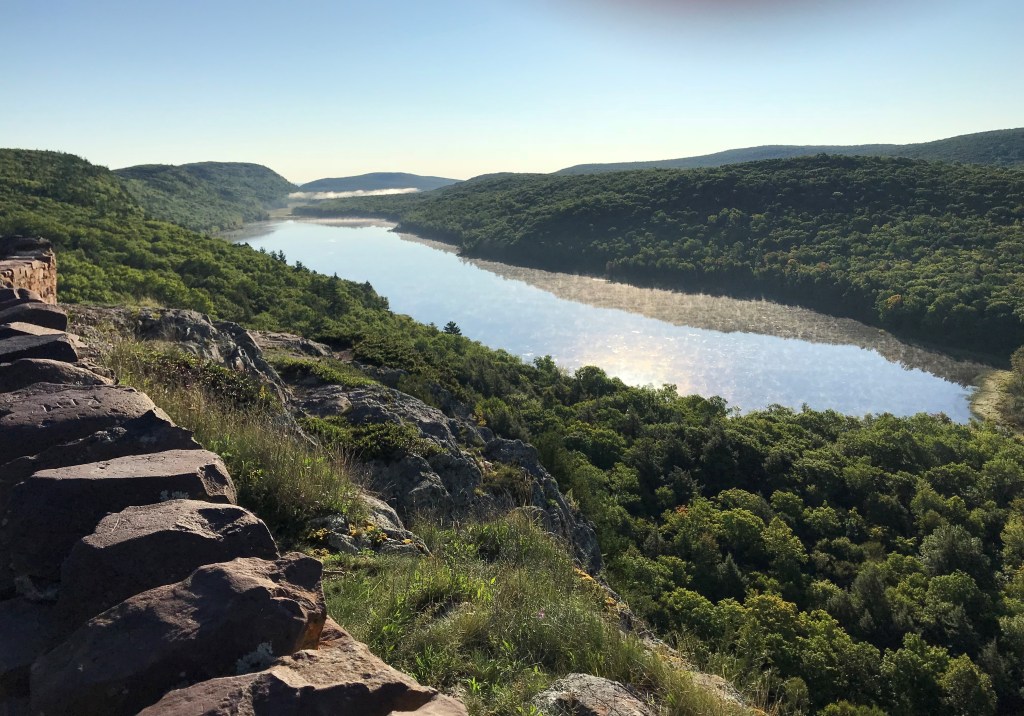
To summarize our second year, we left Saline in early September, 2018 for northern Michigan before heading west. After stopping in the Porcupine Mountains in the Upper Peninsula we drove west on Hwy 2 across Wisconsin, through Duluth and Bemidji MN, Grand Forks, ND on to Williston, North Dakota (in northwest ND).
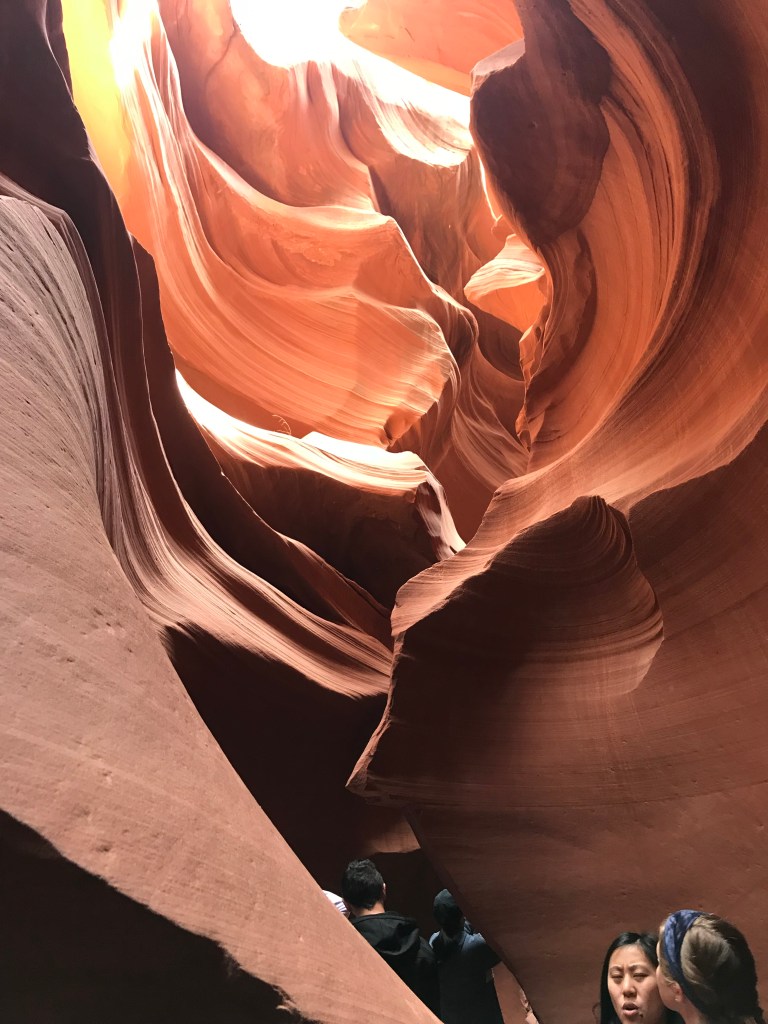
After our two-week stint in ND due to Jim’s broken ankle, we adjusted our plans and drove south and west through southern Montana and enjoyed a couple weeks near Salt Lake City, UT. Continuing south, we spent time near Las Vegas, NV and Arizona, visiting the Grand Canyon, Bryce and Zion National Parks and Antelope Canyon. From there it was a cross country trip on I-40 for some time in North Carolina and Maryland.
“In every walk with Nature one receives far more than he seeks.” John Muir


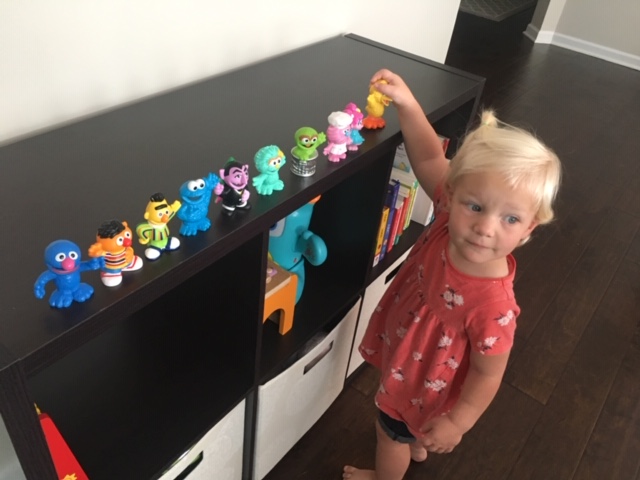
Some downtime in Florida followed in November through January with a trip to Michigan, traveling by air, for the holidays. We spent much of February and March in Maryland for the birth of our 4th granddaughter, Gemma Ceali (what a special blessing!).
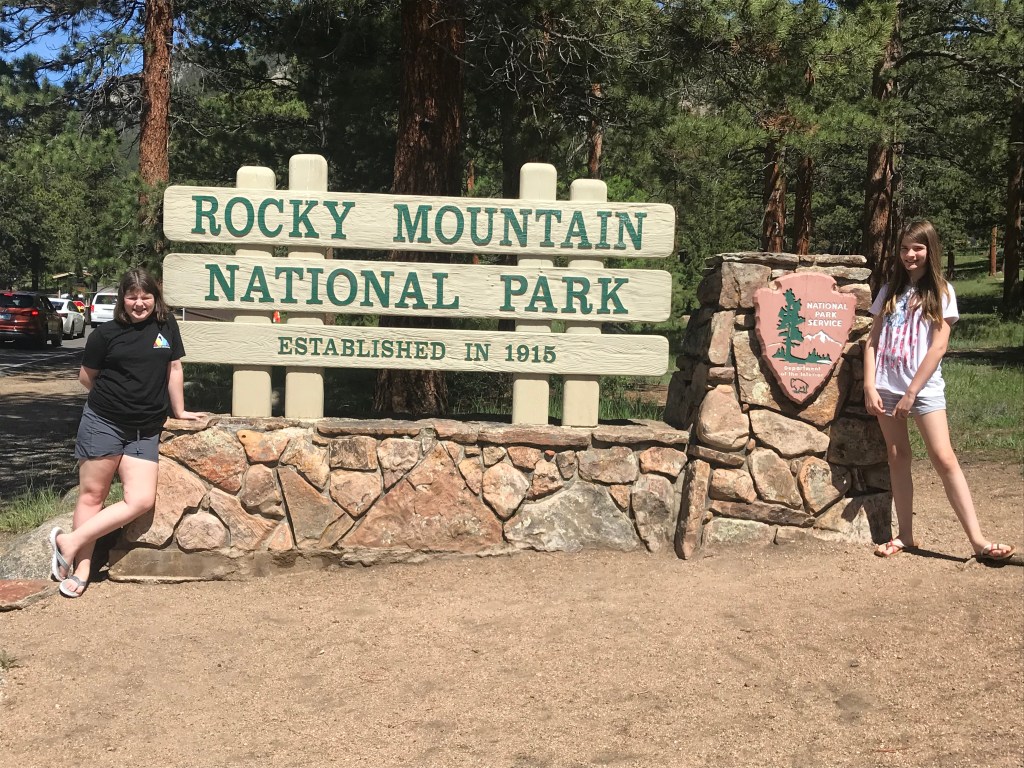
Late March we went back south to the Florida panhandle for a few weeks before starting the trip north with stops in North Carolina and Maryland, arriving in Michigan in early May. We also made a June trip to Colorado, eastern Utah, Kansas and northern Michigan before spending the remainder of the summer near Saline.
Miles and Gas: During the second year, we traveled approximately 14,000 miles in the RV. Additional miles traveled in the car when we reached our destinations. We spent approximately $5,600 on RV gas for the year, an increase over the previous year due to more miles and higher gas prices. Still utilized the Good Sam discount at Flying J/Pilot stations when possible as well as other discounts when we could (i.e. Meijer gas, Shell Fuel Rewards).

RV Campsites & Parks: We learned more about our preferences for campgrounds and parks. With advanced planning still a priority, we look ahead and book reservations for our stays. Depending on the location and time of year, some reservations are made 6-12 months ahead. Most are easy to cancel or change if needed. A spreadsheet is needed to track the reservations and deposits paid.
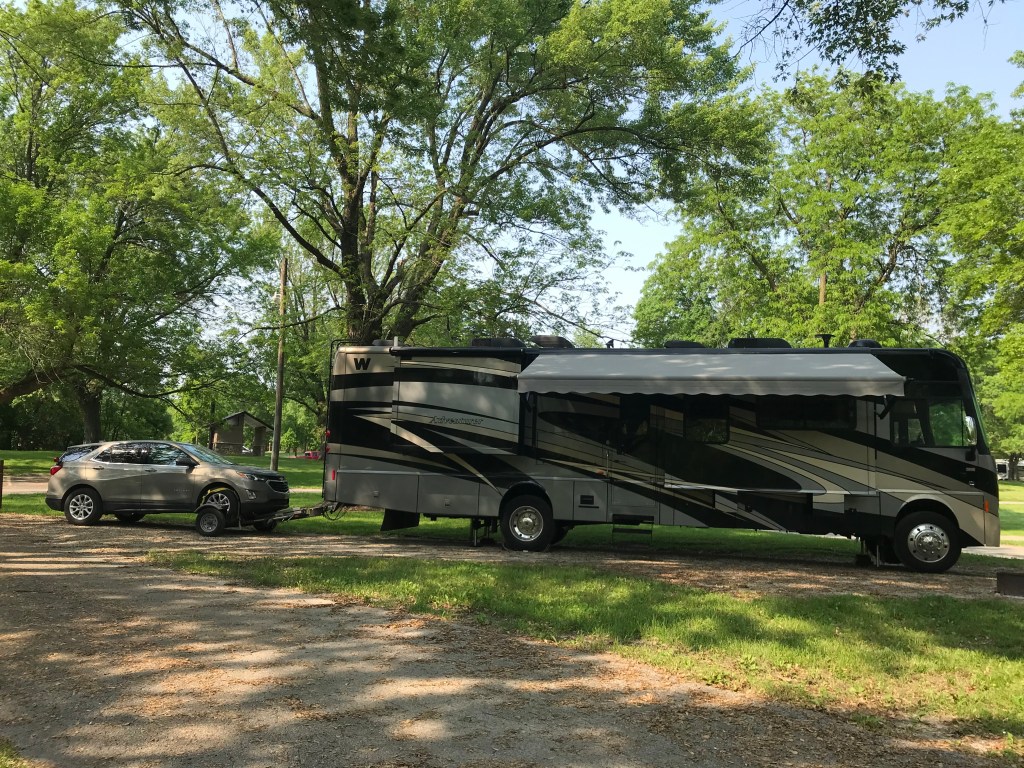
Realizing that for the most part “boondocking” is not a good option or preference for us, we typically stay in private parks, RV resorts, and State Parks. Most boondocking (or “off the grid”) areas are well off main roads (usually dirt roads) and not easily reached with larger rigs. It can be done, but not something I see us doing often. Our first experience staying at a Corp of Engineers campground was good and would stay in these campgrounds again (very economical).

With advanced planning, we were able to reserve spots in Florida for the winter, including Siesta Bay and Santa Rosa RV Resorts. It can be difficult to secure spots in FL this time of year; definitely requires advanced reservations and persistence. Our other long stay was at Cherry Hill RV Resort in Maryland.
Our daily camping/park average increased this year to $40 per night; however, we did not have any significant time parking at Dan’s or Jim’s parents as we did the year before. We took advantage of monthly or weekly rates when possible as well as the Good Sam discount. This expense is higher than we estimated when we first started out, so with adjustments in other areas we made the budget work. State parks are still a good option for us and less expensive. We receive a nice “senior” discount at North Carolina State Parks (cost is $21/night), however their rules only allow a 14-day stay in a 30 day period, as is the case with most State Parks.
Cell Phone, Internet, TV: No change in this area and I have covered this subject in several previous posts. Still using Verizon Wireless for our cell phones, jetpack and I-pad, and Dish TV for our satellite service. With the cell booster and data package we have, working remotely has been no problem.
Mail Service: We continue to use a mail service in Florida – St. Brenden’s Isle in Green Cove Springs, FL. They have been reliable in having mail sent to us when requested to wherever we are. Their basic fee is $12/month plus postage.

Repair & Maintenance: Expenses were down this year for repair and maintenance to $2,500 for the year. In additional to regular maintenance items, this included tow dolly tires and repair to the Winnebago generator and dash air conditioner. We spent $500 on propane (mostly in Maryland in February & March). There will be no further propane expense since the new RV is all electric.
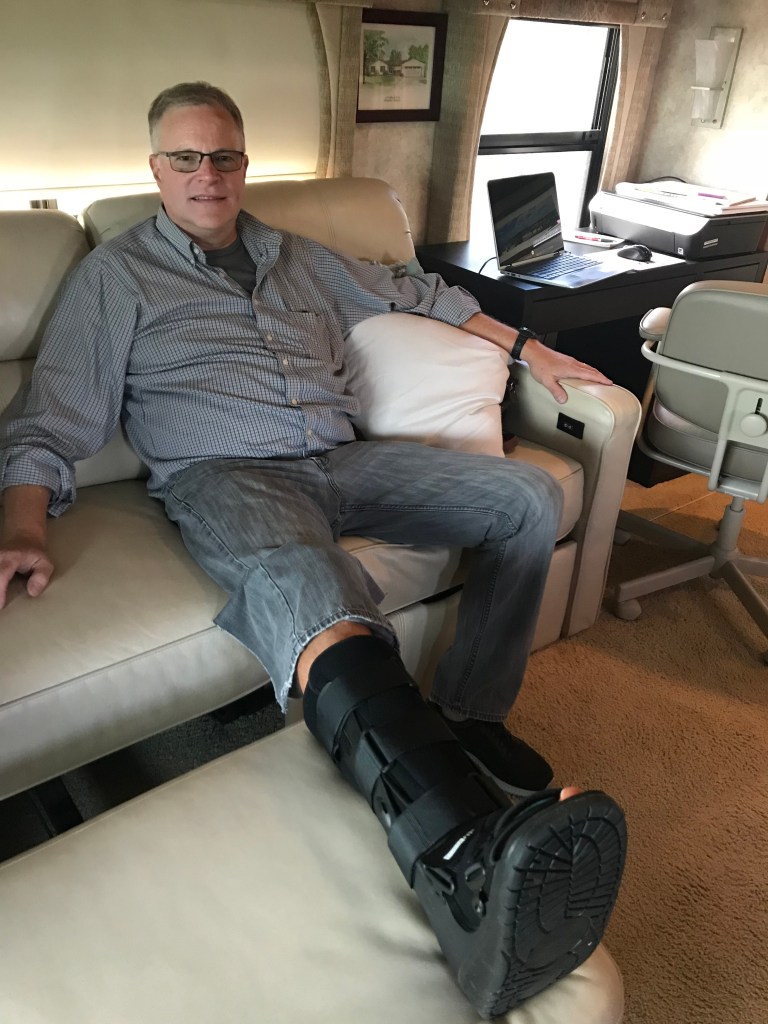
Health Insurance: Very happy with our switch to Liberty HeathShare. We got a significant monthly savings over our previous health insurance and they covered Jim’s ankle injury to the tune of over $11,000. It did require some follow up on the claims between the doctors, hospital and Liberty, but it was well worth it as we only paid the $1,000 maximum out of pocket. Remember, this is NOT traditional health insurance, and there are some limitations for enrollment and coverage, but it fits us well for now: www.libertyhealthshare.org
Remote working: Working remotely for my previous (and now current) employer has gone better than I expected. The technology has worked well and the hours flexible. During the busy tax season, I worked about 30 hours a week (for about 10 weeks) and the remainder of the year as needed (5-10 hours a week). Of course, the added income helps a lot and I can see doing this for several years.
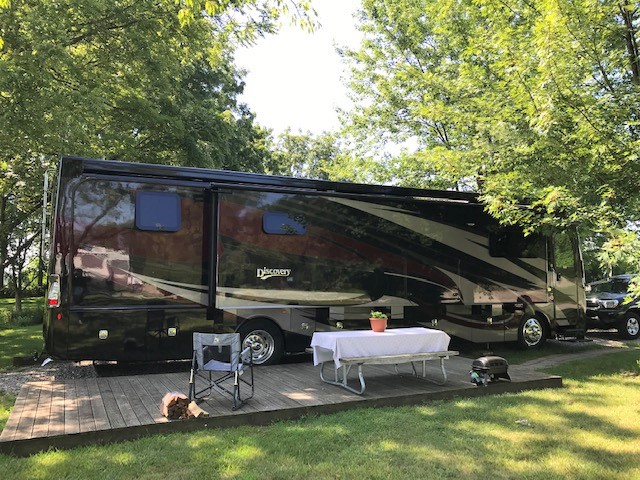
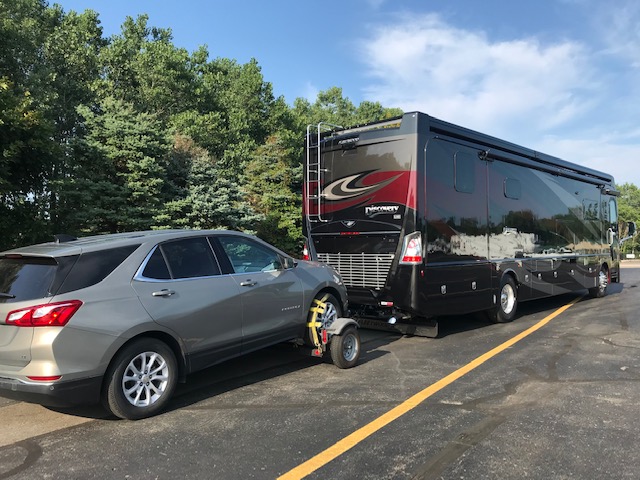
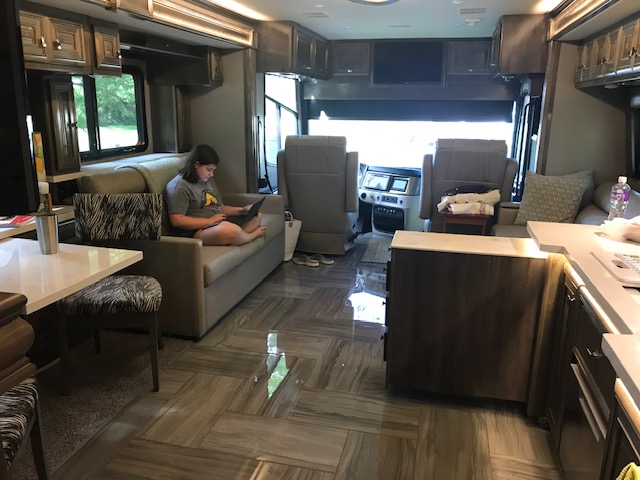
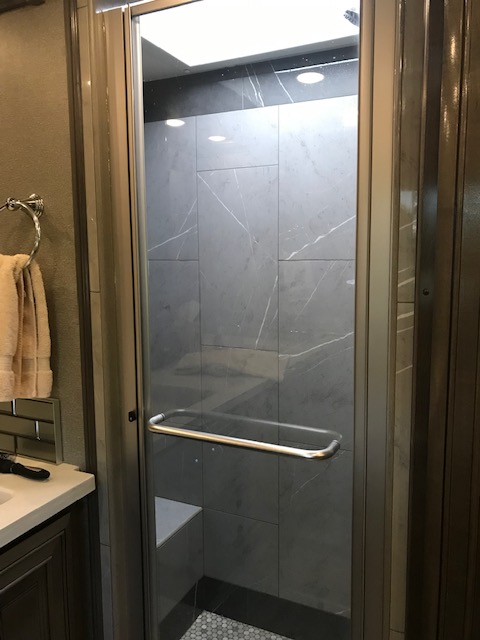
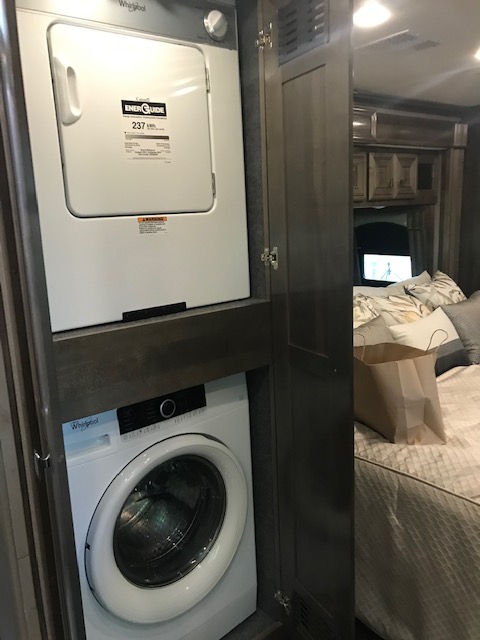
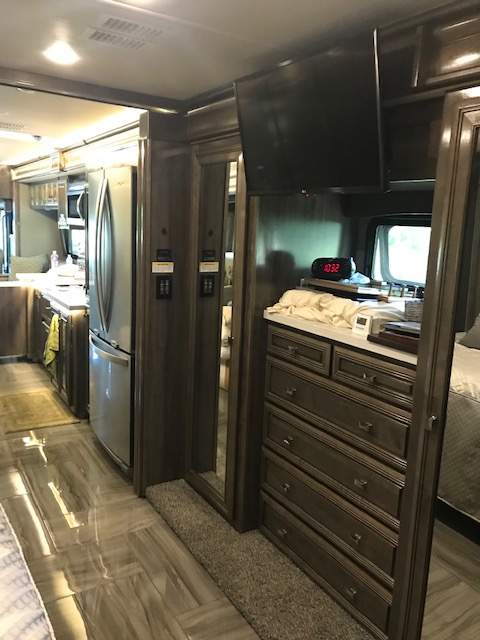
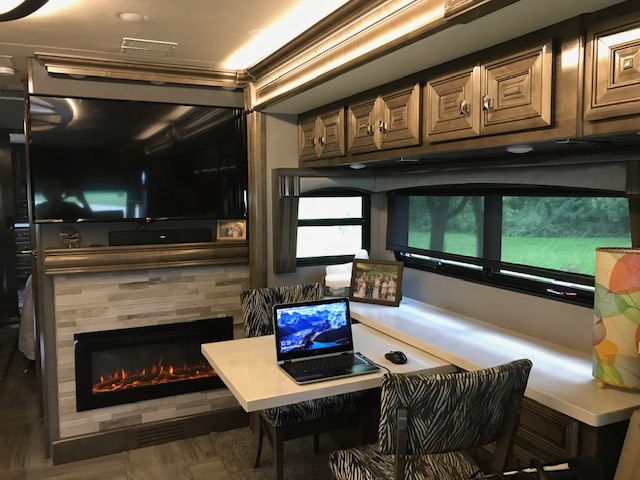
New RV and On The Road: The subject of my previous post (new RV), the Fleetwood Discovery XLE 40M is quite a switch from the Winnebago Adventurer 37F and we are excited for our Fall travel. While we loved our gas-powered Winnebago, going to a new diesel pusher, the Fleetwood Discovery, is a whole new experience. The added power the diesel provide, ride comfort with the air suspension, and quieter ride with the engine in the back, are the biggest benefits. We are also enjoying a better insulated coach with up-to-date technology, lighting and many more options we did not have previously.
Third Year: As we begin this next year, we will leave Michigan at the end of September and head for Maine. We are planning to stop in Cooperstown, NY (Baseball Hall of Fame) on the way to Acadia National Park. As we make our way down the east coast we will enjoy visiting towns along the Maine coast, make stops near New York City, Boston and Cape Cod; on to the Blue Ridge Mountains and Harpers Ferry National Park. We will spend some time in Maryland, Virginia Beach, VA, and then North Carolina for Thanksgiving.
We plan on being in Florida (Siesta Bay near Ft. Myers Beach) December 1 and will stay there four months. (We will fly back to Michigan for Christmas.) April 1st we will head north for a stay in the panhandle for a few weeks, a stop in NC and MD and back to Michigan in early May.
As we prepare to leave Michigan again, we know from experience that the time will pass quickly and we’ll be back before we know it. We enjoy the balance of visiting our children (and grandchildren) in MI, NC, and MD, as well as traveling in the Spring and Fall. Escaping to Florida for the Winter months is wonderful.
We are very thankful for the opportunity to live this lifestyle. It’s not always perfect, but we have learned a lot and plans can easily be changed and adjustments made as needed. Also grateful for the support of our family and friends; thank you!
I am looking forward to sharing our upcoming travels and should have a few more tips and comments as we get used to the new diesel RV. I am looking into a new fuel savings program that appears to have significant savings potential. It is designed similar to what truckers and commercial fleets use, but allows for diesel RV owners to take advantage of fleet type savings.







 Life In The RV Lane